Flat Roof Leak Repair in Dallas, TX
Flat roof leak repair in Dallas that finds where water really gets in and seals it for good, before it soaks your insulation, ceilings, and interior.
- Dallas & the DFW metroplex
- Flat & low-slope roofs only
- Inspect, price, repair
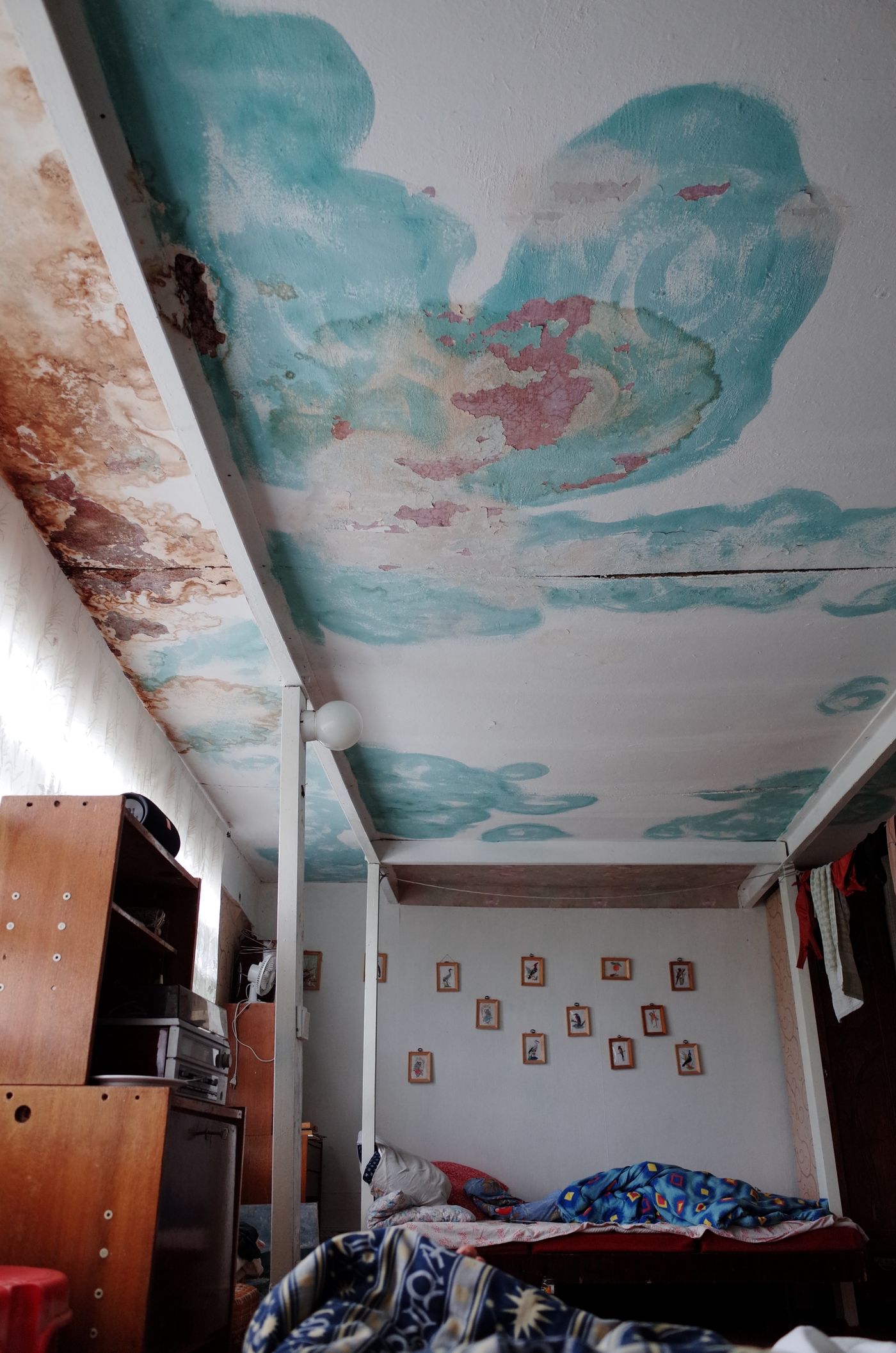
Flat roof leak repair in Dallas is about one thing: finding the true source of the water and stopping it. The hard part is that low-slope roofs rarely leak where the stain appears inside. Water enters at a failed seam, a lifted flashing, or a cracked pitch pan, then travels sideways under the membrane and along the deck before it drips through a ceiling several feet away. A local flat-roof contractor who understands how water moves on a flat roof can trace it back to the real entry point.
Dallas puts flat roofs under constant stress. Intense sun and thermal cycling open seams, ponding water works into any gap after storms, and hail and wind lift flashing at parapet walls. Left alone, a small leak saturates insulation, rots decking, and grows into a replacement. This page explains how leaks are found, how they are sealed by roof type, and why acting early saves money.
Where flat roofs leak in Dallas
Nearly all flat roof leaks start at details rather than in the open membrane. Seams are the usual suspect, especially laps that have lost adhesion or heat-welds that have split with age and thermal movement. Flashing is next: base and counter flashing at parapet walls, curbs, and walls pulls away and lets water run behind the system. Penetrations round out the list, where pipes, conduit, and HVAC curbs rely on pitch pans and boots that dry out and crack.
Ponding water magnifies every one of these. Standing water from poor drainage or clogged scuppers sits on the membrane and forces its way into the smallest opening, which is why leaks often show up after a storm rather than during it. On older Downtown and Deep Ellum buildings with built-up and mod-bit roofs, blisters and cracked surfacing add more paths for water to enter.
- Seams. Open laps and split heat-welds are the most common flat roof leak source.
- Flashing. Loose base and counter flashing at parapet walls and curbs lets water behind the membrane.
- Penetrations. Cracked pitch pans and worn boots around pipes and HVAC curbs weep water into the roof.
- Drains and scuppers. Clogged drainage causes ponding that pushes water into every nearby seam and detail.
How a local roofer finds and seals a leak
Finding the source is the whole job. A local roofer inspects the roof methodically, checking the field membrane and then every seam, flashing detail, penetration, drain, and scupper. Because the entry point is often far from the interior stain, the contractor follows the likely water path rather than just patching under the drip. Where needed, water testing or moisture readings confirm exactly where the roof is failing and whether the insulation below has already taken on water.
Once the source is confirmed, the seal is matched to the system. On TPO and PVC, open seams are cleaned and re-welded with hot air and torn spots get a heat-welded patch. On EPDM, compatible primers and cover strips restore a watertight bond. On built-up and mod-bit roofs, damaged plies are cut out and rebuilt and flashing is reset. Any pitch pans are rebuilt and drains cleared so water leaves the roof instead of sitting on it.
Why fast leak repair matters
A flat roof leak never stays small. Water that gets past the membrane spreads through insulation and across the deck, so a stain the size of a dinner plate can mean a much larger wet area overhead. Wet insulation loses its value, holds moisture against the deck, and keeps the leak active even after the surface is patched, which is why quick, correct repair matters.
Acting early also protects everything under the roof: ceilings, drywall, flooring, inventory, and equipment. On commercial buildings, a leak over the wrong spot can shut down a work area. Catching it while it is still a seam or flashing problem keeps it in the repair category instead of pushing you toward a full replacement.
- Protect the structure. Stopping water early prevents saturated insulation and rotted decking.
- Protect the interior. Fast repair saves ceilings, walls, flooring, and anything stored below.
- Avoid bigger costs. A sealed seam today beats a flat roof replacement later.
Dallas weather and recurring leaks
Recurring leaks usually trace back to Dallas weather working on weak details. Intense summer heat and thermal cycling expand and contract the membrane daily, which opens seams and backs out fasteners over time. North Texas hail and wind lift flashing at parapet walls, and slow drainage leaves ponding water that keeps testing every gap. A contractor who works on flat roofs across Lakewood, the M Streets, Oak Cliff, and Bishop Arts recognizes these patterns fast.
If a roof keeps leaking in different spots after repairs, the real issue may be broader membrane failure or a drainage problem the patches never addressed. In that case a flat roof inspection documents the whole system so you can decide between continued repair and replacement with clear information.
Why choose a local flat-roof contractor for leak repair
Leak tracing on a flat roof is a skill, and a local flat-roof contractor who knows Dallas has done it many times. They understand how water travels under a low-slope membrane, so they fix the actual source instead of chasing the stain. You get upfront pricing on the repair and no obligation to do more than you need.
Working local also means practical advice on whether a leak is a simple fix or a sign of a bigger issue. Business hours are Mon-Fri 7am-6pm and Sat 8am-2pm, and the goal is straightforward: stop the water, dry things out, and keep your flat roof protecting the building.
Talk to a Local Flat-Roof Contractor
Describe your roof and the problem and get straight answers with upfront pricing. No obligation, and no pressure to buy more than the roof needs.
Call 000-000-0000More Dallas Flat Roofing


Flat Roof Leak Repair FAQ
Why is my flat roof leaking far from the water stain inside?
Water enters at a seam, flashing, or penetration, then travels under the membrane and along the deck before it drips through the ceiling. That is why the source is often several feet from the interior stain and why proper tracing matters.
Can a flat roof leak be fixed in the rain?
A lasting repair needs a dry, clean surface, so permanent sealing is best done once the roof dries. A contractor can sometimes slow an active leak temporarily, then return to properly find and seal the source.
How do you find a flat roof leak?
A local roofer inspects the field membrane, seams, flashing, penetrations, and drains, then follows the likely water path. Water testing or moisture readings confirm the exact entry point and show whether insulation is already wet.
How much does flat roof leak repair cost in Dallas?
It depends on the source and the extent of the damage, from a single flashing detail to multiple open seams. A local flat-roof contractor gives upfront pricing after diagnosing the leak, with no obligation. Call 000-000-0000.
Stop Your Flat Roof Leak
Mon–Fri 7am–6pm · Sat 8am–2pm · Dallas, TX · upfront pricing, no obligation