Built-Up Roofing (BUR) in Dallas, TX
Built-up roofing (BUR) in Dallas, TX stacks alternating asphalt and felt plies under gravel ballast for a thick, redundant flat roof that lasts.
- Dallas & the DFW metroplex
- Flat & low-slope roofs only
- Inspect, price, repair
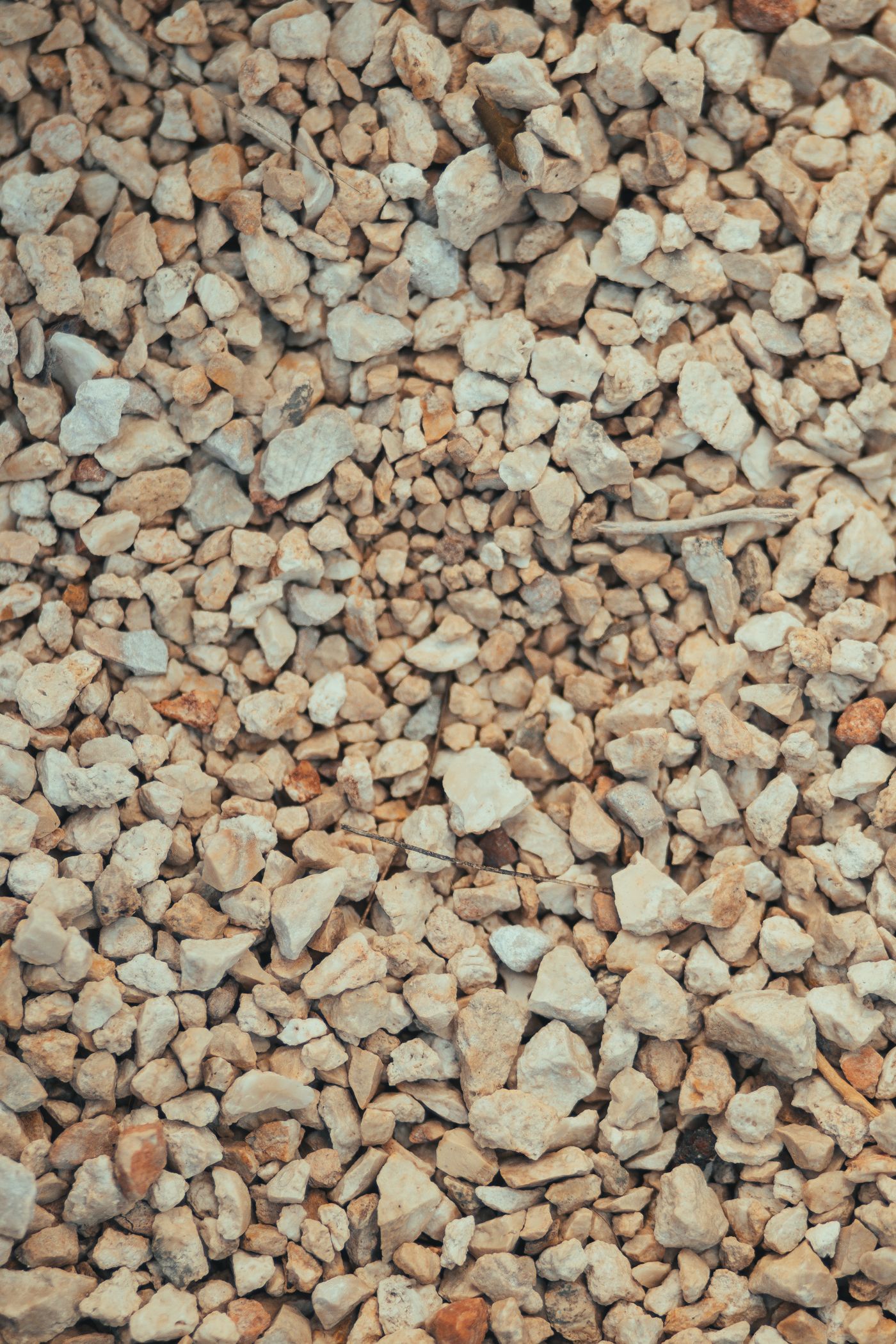
Built-up roofing (BUR) in Dallas, TX is the classic gravel roof, built from alternating layers of asphalt and reinforcing felt plies and finished with a gravel or aggregate ballast surface. That multi-layer construction is where its reputation comes from, because each ply adds redundancy and the finished membrane is thick, durable, and highly resistant to the wear a flat roof takes over the years.
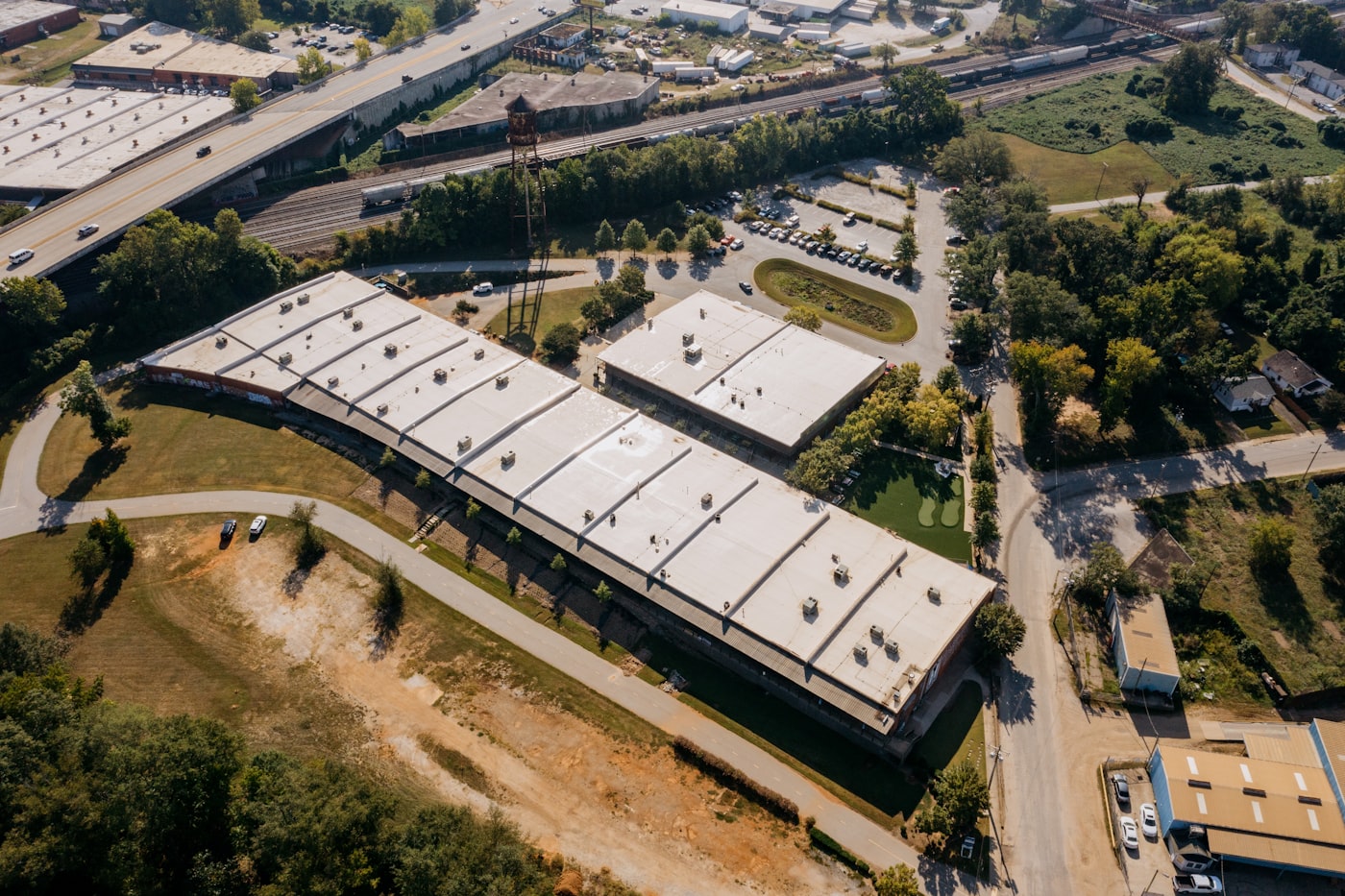
You will still find BUR across the older commercial building stock in Downtown and Deep Ellum, and on warehouses in the Design District, because it has protected North Texas roofs for decades. A local flat-roof contractor installs the plies, sets the ballast, and details the flashing so the finished roof stands up to Texas UV, ponding, and hail. For owners weighing a long-term flat roof, a local roofer can explain where BUR still makes sense.
How a Built-Up Roof Is Constructed
A BUR system is assembled in layers directly on the prepared deck and insulation. A local flat-roof contractor alternates hot or cold asphalt with felt or fiberglass plies, building up multiple layers that bond into a single thick membrane. The final surface is finished with gravel or aggregate ballast, which shields the asphalt from UV and adds fire and impact resistance.
The number of plies affects durability and cost, and tapered insulation is added below to drive water toward drains and scuppers. Getting slope right is critical on any Dallas flat roof, because BUR, like every low-slope system, performs best when water moves off rather than ponding in low spots for days after a storm.
- Asphalt plies. Alternating layers of asphalt and felt build a thick, redundant membrane.
- Gravel ballast. Aggregate surface shields the asphalt from UV and adds impact resistance.
- Tapered insulation. Built-in slope moves water toward drains and scuppers.
- Redundancy. Multiple plies mean a surface nick does not immediately become a leak.
How BUR Performs in North Texas
The thick, layered surface of a built-up roof is well suited to the punishment a Dallas roof absorbs. The gravel ballast protects the asphalt below from relentless summer UV, and the multiple plies give the roof real staying power against foot traffic and the impact of North Texas hail.
There are trade-offs. BUR is heavier than single-ply membranes, so the building structure has to carry the added load, and the gravel surface can make locating a leak more involved than on a smooth membrane. Even so, for the right building the redundancy and proven track record are hard to beat. When a leak does appear, targeted flat roof leak repair can trace and seal the source without disturbing the whole roof.
Repair, Restore, or Replace
An aging built-up roof does not always need a full replacement. Depending on its condition, a local roofer may recommend targeted repairs to flashing and blisters, a restoration coating to add years of UV and ponding protection, or a full tear-off when the plies are saturated and the insulation is wet.
- Repair. Address blisters, alligatoring, and lifted flashing while the plies remain sound.
- Restore. A reflective coating can extend service life when the deck and plies are still solid.
- Replace. A full flat roof replacement is the call when moisture has reached the insulation and deck.
Built-Up vs. Modified Bitumen
BUR and modified bitumen are both asphalt-based, so owners often compare them. Built-up roofing relies on multiple asphalt and felt plies topped with gravel, delivering a thick, redundant, time-tested surface. Modified bitumen adds polymer modifiers for extra flexibility and typically installs faster and lighter.
Neither is universally better. On a structure that can carry the weight and where longevity is the goal, BUR remains a strong option, while modified bitumen roofing may suit a building that needs a lighter, flexible membrane. A local flat-roof contractor who knows Dallas can compare both against your deck, budget, and use, with upfront pricing and no obligation.
Why Choose Built-Up Roofing in Dallas
BUR offers redundancy that few systems match, with multiple asphalt plies and a gravel surface that has protected commercial and warehouse roofs across Downtown, Deep Ellum, and the Design District for generations. That thickness stands up to UV, foot traffic, and North Texas hail.
A local roofer sizes the ply count, insulation, and slope to your building rather than to a template, and confirms the structure can carry the load. You get upfront pricing and no obligation before any work begins.
Talk to a Local Flat-Roof Contractor
Describe your roof and the problem and get straight answers with upfront pricing. No obligation, and no pressure to buy more than the roof needs.
Call 000-000-0000More Dallas Flat Roofing
Built-Up Roofing FAQs
How long does built-up roofing last in Dallas?
BUR is known for longevity thanks to its multiple plies and protective gravel surface, and it can serve for many years when ponding is controlled and flashing is maintained. A local roofer can assess your roof and provide upfront pricing with no obligation.
Why does my built-up roof have gravel on it?
The gravel or aggregate ballast shields the asphalt plies from UV, adds fire and impact resistance, and helps hold the membrane in place. It is a defining feature of a built-up roof, not loose debris.
Is BUR too heavy for my building?
Built-up roofing is heavier than single-ply systems, so the structure must be able to carry the added load. A local flat-roof contractor checks the deck and framing before recommending BUR over a lighter membrane.
Can an old built-up roof be coated instead of replaced?
Often yes. If the plies and insulation are still sound, a reflective restoration coating can add years of UV and ponding protection. If moisture has reached the insulation, replacement is usually the better path.
Thinking About a Built-Up Roof in Dallas?
Mon–Fri 7am–6pm · Sat 8am–2pm · Dallas, TX · upfront pricing, no obligation