Flat Roof Inspection in Dallas, TX
A thorough flat roof inspection in Dallas documents the real condition of your low-slope membrane, seams, flashing, and drainage so you can make smart decisions before small problems grow.
- Dallas & the DFW metroplex
- Flat & low-slope roofs only
- Inspect, price, repair
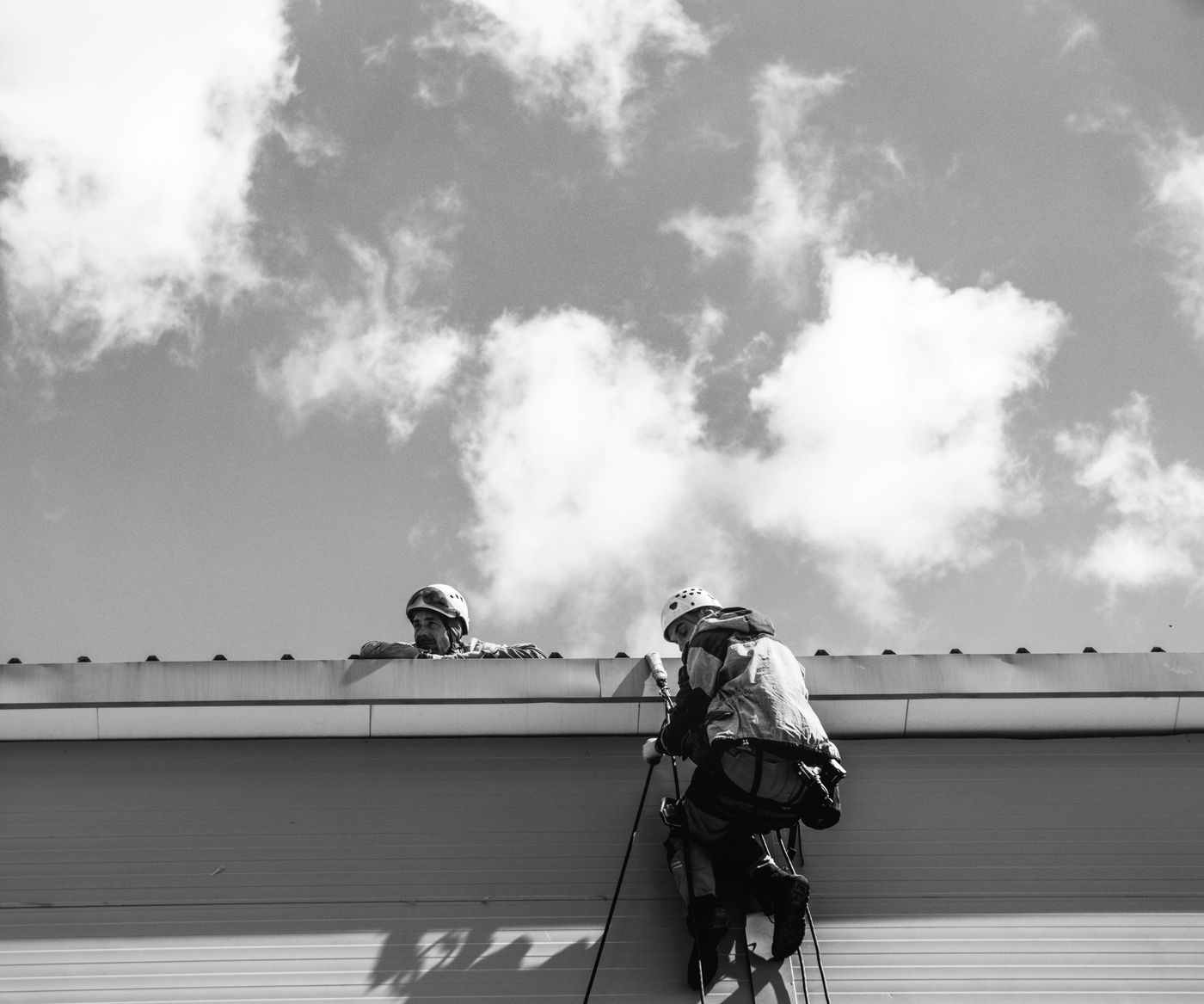
A flat roof inspection in Dallas gives you a clear, documented picture of what is happening on top of your building before a small issue becomes an interior leak. Low-slope roofs hide their problems well: a lifting seam, a tired flashing, or early ponding can sit unnoticed until water shows up on a ceiling. A local roofer who inspects flat roofs walks the whole system and reports what is sound, what is aging, and what needs attention now.
Dallas weather makes regular inspection worthwhile. Intense sun and thermal cycling age the membrane, hail and wind damage flashing, and poor drainage leaves ponding water that quietly breaks a roof down. Whether you are a homeowner with a flat-roofed addition in Lakewood or a property manager over a commercial building Downtown, an inspection turns guesswork into a plan. This page explains what an inspection covers and when to schedule one.
What a flat roof inspection covers
A proper inspection looks at the entire low-slope system, not just the open membrane. The contractor checks the field for blisters, alligatoring, punctures, and bare spots, then examines every seam for adhesion and heat-weld integrity. Flashing gets close attention at parapet walls, curbs, and walls, since separated flashing is a leading leak source. Penetrations, pitch pans, and boots around pipes and HVAC curbs are inspected for cracks and dried sealant.
Drainage is a major focus in Dallas because ponding water causes so much damage. The contractor checks drains, scuppers, and slope, looks for standing water and staining that marks chronic ponding, and notes whether the tapered insulation is still doing its job. Where accessible, they also look for soft spots that suggest wet insulation or deck below the surface.
- Membrane field. Blisters, alligatoring, punctures, shrinkage, and UV wear across the roof surface.
- Seams. Lap adhesion and heat-weld integrity, the most common leak path on a flat roof.
- Flashing. Base and counter flashing at parapet walls, curbs, and walls.
- Penetrations. Pitch pans, boots, and sealant around pipes, conduit, and HVAC curbs.
- Drainage. Drains, scuppers, slope, ponding water, and signs of wet insulation below.
When to schedule a flat roof inspection
Timing matters. It is smart to have a flat roof inspected after major North Texas weather, since hail and high wind can lift flashing and bruise the membrane in ways that are not visible from the ground. A seasonal check, especially heading into and out of the hot summer months, catches thermal damage and drainage problems before they turn into leaks.
There are transaction moments too. Buying or selling a commercial building or a flat-roofed home is a good time to know the roof's true condition, and so is taking over management of a property. If you have already seen interior stains, or the roof has been patched repeatedly, an inspection tells you whether you are looking at another repair or a coming replacement.
What you get from the inspection
The point of an inspection is a clear picture and a clear plan. A local roofer documents findings with notes and photos so you can see the actual condition of seams, flashing, drains, and membrane rather than taking anyone's word for it. That record helps you prioritize, budget, and decide what to do first.
From there the path is straightforward. Minor issues may only need a targeted flat roof repair or a protective flat roof coating to extend service life, while a roof near its end may be a candidate for replacement. Either way you get upfront pricing and no obligation, so the next step is your call.
- Documented findings. Notes and photos of membrane, seams, flashing, penetrations, and drainage.
- Clear priorities. What needs attention now versus what to watch over time.
- Upfront pricing. Straightforward numbers on any recommended work, with no obligation.
Dallas conditions and roof aging
Dallas is hard on flat roofs, which is exactly why inspection pays off. Intense summer heat and daily thermal cycling stress seams and fasteners, hail and wind damage flashing, and ponding water from slow drainage breaks membranes down from above. These forces work gradually, so a roof can look fine from the street while trouble builds at the details.
Regular inspection catches that aging early across neighborhoods from Oak Cliff and Bishop Arts to the M Streets, Uptown, and East Dallas. Knowing the condition of your membrane, seams, and drainage lets you plan maintenance on your schedule instead of reacting to a leak. If the roof is a commercial system, an inspection also informs a longer-term commercial flat roofing plan.
Why choose a local flat-roof contractor for inspection
An inspection is only as good as the eyes doing it. A local flat-roof contractor who knows Dallas understands what a low-slope roof should look like and where these roofs tend to fail in this climate, so nothing important gets missed. You get documented findings and upfront pricing on any recommended work, with no obligation.
Local experience also means realistic guidance rather than pressure. Business hours are Mon-Fri 7am-6pm and Sat 8am-2pm, and the aim is to give you an honest read on your roof's condition so you can protect the building on your own timeline.
Talk to a Local Flat-Roof Contractor
Describe your roof and the problem and get straight answers with upfront pricing. No obligation, and no pressure to buy more than the roof needs.
Call 000-000-0000More Dallas Flat Roofing


Flat Roof Inspection FAQ
How often should a flat roof be inspected?
A good rule is at least once a year, plus a check after major hail or wind. Seasonal inspections heading into and out of the hot summer catch thermal and drainage issues before they become leaks.
What does a flat roof inspection include?
It covers the membrane field, seams, flashing at parapet walls and curbs, penetrations and pitch pans, and drainage including drains, scuppers, slope, and signs of ponding or wet insulation below the surface.
Should I get my flat roof inspected after a hailstorm?
Yes. Hail and wind can lift flashing and bruise the membrane in ways that are hard to see from the ground. A post-storm inspection catches that damage before it turns into an interior leak.
How much does a flat roof inspection cost in Dallas?
Pricing depends on the size and complexity of the roof. A local roofer provides upfront pricing with no obligation before any work begins. Call 000-000-0000 to schedule your inspection.
Schedule Your Flat Roof Inspection
Mon–Fri 7am–6pm · Sat 8am–2pm · Dallas, TX · upfront pricing, no obligation